

Pig Dream Meaning: Appetite, Plenty, and the Religious Readings
A pig in a dream usually reflects appetite, plenty, or a boundary. Traditions read it in opposite ways: unclean in Jewish and Islamic law, a lucky money dream in Korea.
 Featured
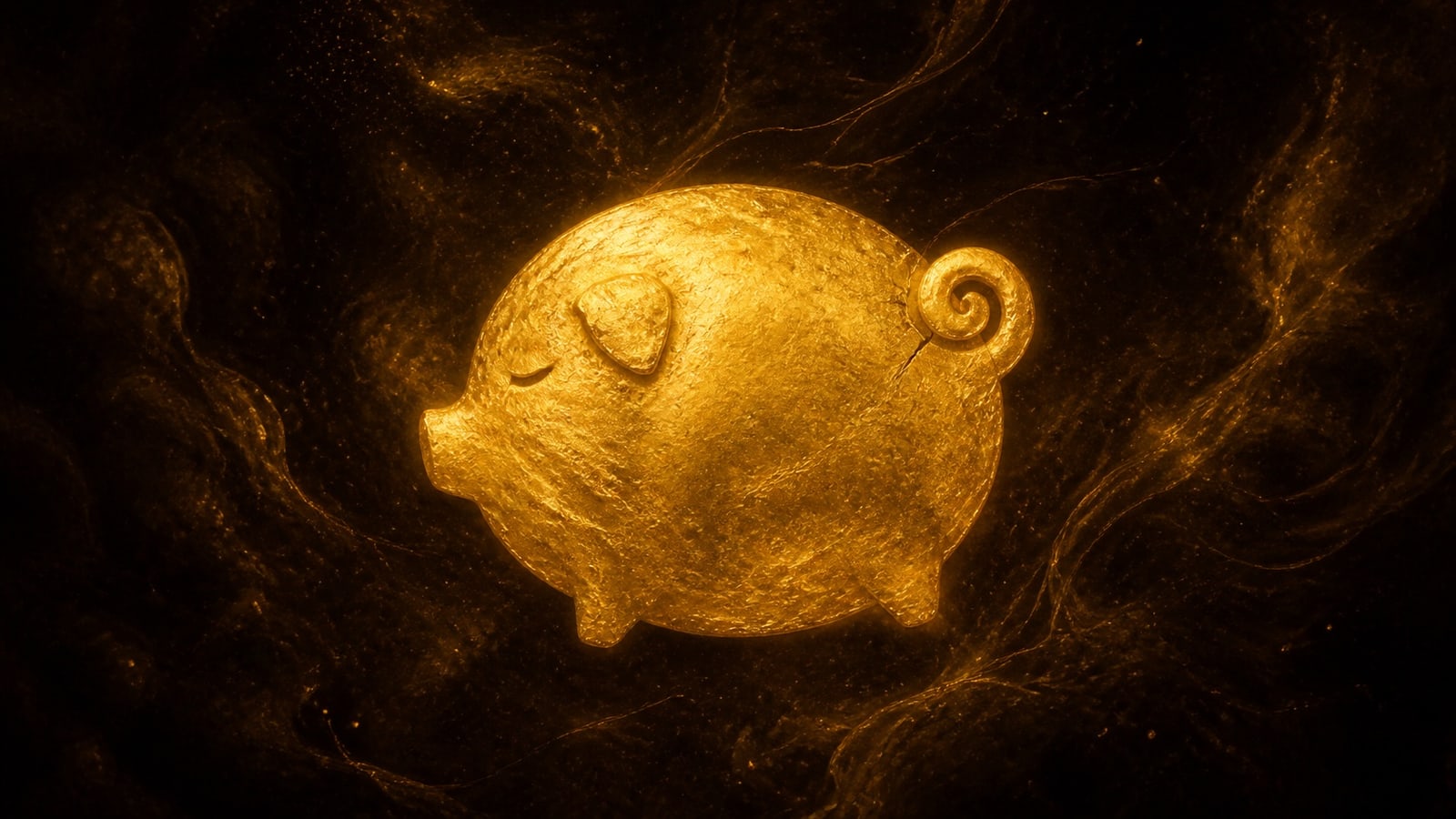
A pig in a dream usually reflects something about appetite, plenty, or a boundary: what you want, whether there is enough, or what has got into a space it should not be in. It is also an animal that traditions read in opposite ways. The same pig that is unclean under Jewish and Islamic dietary law (Leviticus 11:7; Quran 2:173) is, in Korean tradition, a classic lucky dream (National Folk Museum of Korea). If you arrived here wondering whether your faith makes this dream serious, the next section is for you.
Key Takeaways
The short answer
Usually appetite, plenty, or a boundary. What the pig was doing and how you felt about it decides which.
A dream is not an act
If your tradition treats the pig as unclean, an involuntary dream is not a transgression. No text in either scripture says otherwise.
One animal, opposite readings
Unclean in Jewish and Islamic law, a warning in some Christian teaching, and the classic money dream in Korea.
Scripture is quieter than you would expect
Neither the Bible nor the Quran assigns a meaning to dreaming of a pig. The dietary law is about food, not dreams.
Color and condition are what people search
Black and white pigs, fat and thin. Folk traditions attach meanings to them, held as belief.
01If you are here because of your faith
Whether a pig dream is good luck is the popular question, and the questions below cover it. If your religion treats the pig as unclean and you dreamed of one, you may be asking something else: you have carried an uncomfortable feeling since you woke, something closer to having done something wrong.
The answer is short. A dream is not an act. You did not choose the image, you were asleep, and nothing in Jewish or Islamic law treats an involuntary dream as a transgression. Within Islamic practice the reported response to a distressing dream is not penance and not interpretation: it is to seek refuge in God, to turn onto the other side, and specifically not to spread the dream around. The response is protective, not disciplinary. That itself tells you how the tradition weighs it.
Scripture itself is quiet on this. There is no passage in the Bible or the Quran that says what dreaming of a pig means. The material people cite is about food, ritual, and narrative, and the jump from there to a dream meaning was made later. The section on what the traditions say sets out those texts, so you can see where the join is.
02What a pig dream usually reflects
Setting the religious question aside, the everyday reading is fairly grounded, and it splits three ways.
Appetite. The pig is the culture's standing image for wanting. Not just food: consumption of any kind, spending, scrolling, working, drinking, taking more than the share. If your dream had a pig eating, or eating in a way that unsettled you, appetite is the first place to look, and the useful question is which of yours currently feels like it has slipped its lead.
Plenty. This is the older meaning. For most of human history a pig was portable wealth. Cheap to keep, fast to fatten, an entire winter's food in one animal. Healthy pigs meant a household was going to be all right. Some of the warmth people still feel toward a fat, contented pig is that inheritance, and a dream of one can sit comfortably over a period of relief, sufficiency, or something finally paying off. This is also the door into the Korean reading further down.
A boundary. Pigs in the wrong place is a very old idea about dirt, and a pig in the house is one of the most reported scenarios. Something has got indoors that belongs outdoors. That maps easily onto a person, a habit, or a demand that has crossed into space you had been keeping for yourself.
Which of the three applies is usually decided by how you felt, not by what the pig was. Fondness points one way and disgust points another, and the dream itself is not making the judgment.
03The animal the traditions disagree about most
Most dream symbols get read a little differently in different places. The pig gets read in flatly contradictory ways, and once you see the range it is hard to take any single verdict as final.
In Korea, a pig dream is the good one. The pig is the classic money dream, so much so that buying a lottery ticket after one is a common practice, and the tradition is specific rather than vague: the fatter the pig the bigger the fortune, and a pig coming into your house is the version that means money arriving directly. Korea's national folk museum records the lottery habit as living belief (Korea.net, 2018). Part of the association runs through language, since the Sino-Korean word for pig sits close to the Korean word for money. That is the tradition's own practice, and a dream is not a reason to gamble.
In Chinese tradition the pig is also fortunate, one of the twelve zodiac animals and popularly linked with prosperity, generosity, and ease. Dream material in that tradition tends to follow the animal's condition: a fat pig read toward a flourishing career, a thin one toward strain at home.
In Jewish and Islamic law the pig is unclean, and that is dietary law rather than dream interpretation, but it colors how the image lands for anyone raised inside it.
In some Christian deliverance teaching the pig is a warning. The reading is sincerely held and widely taught. The biblical passages themselves say something narrower, covered below.
If a symbol can be a curse in one tradition and a lottery ticket in another, the sensible conclusion is that the meaning is not sitting inside the animal. It is coming from the culture doing the reading, and from you.
04What changed the reading
The scene carries far more than the species. These are common readings, offered as reflection prompts rather than fixed meanings.
Hover or tap a row to highlight it.
| The dream | What it often reflects | The emotional read |
|---|---|---|
| A calm, healthy pig | Sufficiency, plenty, something being all right | Warmth, ease |
| A pig eating greedily | An appetite that has slipped its lead | Discomfort, recognition |
| A pig in your house | Something crossing a boundary into private space | Intrusion |
| A pig chasing you | Pressure from a demand rather than pig symbolism as such | Alarm |
| A pig biting you | A conflict that has become personal | Hurt, anger |
| An angry or aggressive pig | A boundary being tested, or your own appetite turning on you | Threat |
| A pig in mud | Play, disgust, or being stuck, depending entirely on feeling | Split |
| A sow with piglets | Care, provision, and the weight of looking after people | Tenderness, pressure |
| Piglets alone | Small beginnings, new responsibilities | Hope |
| A dead pig | An ending to an appetite or a resource, or plain disgust | Flatness |
| Killing a pig | Confronting or cutting off an excess | Grim resolve |
| Feeding a pig | Attention you are choosing to invest in a want | Ambivalence |
| Eating pork | Taboo, conscience, or simply food, and see the faith section above | Guilt, or nothing |
| A wild boar | Force and danger, a different animal with different associations | Fear |
| A black pig | Hidden fear or something unacknowledged, in folk symbolism | Unease |
| A white or pink pig | Plenty or innocent pleasure, in folk symbolism | Lightness |
Two notes on that table. A boar is not a pig, and the traditions treat them separately, so if what you saw had tusks and came at you, that is closer to the force-and-threat family. And if the chase was the dominant feature, being chased by an animal covers the pursuit pattern properly.
On color specifically, black and white pigs are among the most searched variants, and folk systems do attach meanings: black to something feared or hidden, white to fortune. These are folk systems, held as belief. Domhoff's The Scientific Study of Dreams sets out what dream-content research has measured. What is worth keeping is your own reaction to the color.
05What the traditions actually say
These are beliefs and texts, each with what its source says.
Biblical passages, and none of them is about dreams. Leviticus 11:7 and Deuteronomy 14:8 name swine as unclean for Israel's food law, on the technical ground that the animal has a split hoof but does not chew the cud. Isaiah 65:4 and 66:17 put swine flesh inside a prophetic criticism of forbidden ritual practice. In Mark 5:1 to 20, Jesus permits the demons called Legion to enter a herd of pigs, which then rushes into the sea, and that narrative is the origin of most of the modern deliverance reading. The passage is about the healing of the Gerasene man, and the pigs are where the affliction goes, not what it is. Luke 15:15 has the prodigal son reduced to feeding pigs, an image of degradation and distance from home. Christian and Jewish readers may reasonably associate pigs with taboo, exclusion, or excess on the strength of these. None of them is a dream rule and none is a prediction.
Islamic sources. The Quran prohibits the flesh of swine at 2:173, 5:3, 6:145 and 16:115. Al-Ma'idah 5:60 refers to some people being made apes and pigs in a punishment narrative. None of these gives a symbolic rule for dreaming of a pig. In the later dream literature attributed to Ibn Sirin, the entry for swine is read as an impious or powerful enemy, a filthy person, or in some variants unlawful wealth. That is later interpretive tradition, not the Quran, and the attribution of the surviving compiled dictionary to the historical Ibn Sirin is disputed. What Islam says about dreams covers the hadith framework, which classes dreams into types and argues against treating any single image as a message.
Ancient Greek practice. Pigs were associated with Demeter and Persephone, and at the Thesmophoria they were cast into sacred pits, with their remains connected to the fertility of the seed corn. That is a ritual association with fecundity rather than a Greek rule about dreams, and it is one of the oldest links between the pig and plenty.
Hindu tradition, with a distinction. Varaha, the boar avatar of Vishnu, lifts the earth out of the waters and defeats Hiranyaksha. A devotional reader may take themes of rescue and restoration from that. Note that Varaha is a boar rather than a domestic pig, and the text supplies no dream code for either.
06Is a pig dream a warning?
Folk belief and later dream manuals do say so in places: a dirty, black, or aggressive pig read as a warning about greed, a deceitful person, or money badly come by. Those are real interpretive conventions with long histories.
None of it is verified. No study has shown that a dream image forecasts an event, and are dreams prophetic covers what has actually been tested. The Islamic response to a bad dream is protective prayer and discretion, not investigation. That is a tradition treating a distressing dream as something to be settled rather than decoded.
If the dream keeps returning, the more useful reading is that whatever it reflects has not changed. Recurring pig dreams sit comfortably over a stretch where an appetite is being fought rather than examined, a boundary keeps being crossed, or money is a live worry. Money dreams may be closer to the point if the plenty reading is the one that resonated.
If dreams are repeatedly disturbing your sleep, or the thing this one points at is affecting how you function day to day, that is a conversation for a doctor or a therapist. A dream cannot diagnose anything, and it certainly cannot rule on your standing in your faith.
07Common questions about pig dreams
Is dreaming of a pig good luck?
It depends entirely on who is doing the reading, and the traditions are not close. Korean tradition treats a pig dream as the classic sign of money arriving, to the point that buying a lottery ticket afterward is common practice. Chinese popular belief also reads the pig as fortunate. Some Christian deliverance teaching reads it as a warning. Each of these is held as belief rather than established fact.
What is the spiritual meaning of the pig?
Contemporary spiritual practice tends to read the pig as abundance, grounded pleasure, nourishment, and permission to enjoy a bodily need, and reads a dirty or ravenous pig as a warning about excess or neglected boundaries. Older traditions attach it to fertility through Greek ritual, to rescue through Varaha, and to prosperity in Chinese belief. All are held as belief rather than established fact.
Is seeing a pig good luck?
Waking sightings and dreams get blended constantly on this topic, and they are different questions. Folk belief in several cultures treats the animal itself as fortunate, particularly where it represented stored wealth. Those are beliefs held in those cultures.
What is the reason if a pig comes in a dream?
Most often that something about appetite, sufficiency, or a boundary is live for you. A pig entering a house specifically is one of the most reported scenarios, and it usually reads as something crossing into private space. In Korean tradition the same image is the strongest money reading of all, which is a good illustration of how much the culture, rather than the animal, decides the meaning.
Is it sinful to dream about a pig or about eating pork?
No. A dream is not an act, and neither Jewish nor Islamic law treats an involuntary dream as a transgression. The dietary prohibitions concern eating, deliberately and while awake. The Islamic response to a dream that distressed you is protective prayer and not repeating it, which is a response to discomfort rather than to wrongdoing.
What does the Bible say about pigs in dreams?
Nothing prescriptive. The passages people cite are about food law in Leviticus 11:7 and Deuteronomy 14:8, prophetic criticism of ritual practice in Isaiah, the Gerasene deliverance narrative in Mark 5, and the prodigal son's degradation in Luke 15:15. Biblical dream symbols covers how those associations get built and where they stop.
Reading your pig dream
In Korean tradition, what does dreaming of a pig commonly mean?
What do the biblical passages about pigs actually address?
If your faith treats the pig as unclean and you dreamed of one, what follows?
Pick an answer to begin.
If a pig has stayed with you since you woke, the two questions worth sitting with are what you currently want more of than you are comfortable admitting, and whether something has got into a space you meant to keep. If you came here worried that your faith made the dream serious, the answer is the one at the top: you were asleep, and that settles it. DreamTold keeps a fuller dream dictionary if other images from the same night are still with you, and why we dream covers what the sleeping brain is doing while it assembles a scene like this. A dream is a prompt for reflection, not a diagnosis, and no dream settles a question of faith. If these dreams keep disturbing your sleep, please speak to a doctor or a qualified therapist.
Dream terms
Tap a term to see what it means.
Varaha. The boar avatar of Vishnu in Hindu tradition, who lifts the earth from the waters. A boar rather than a domestic pig, and not a dream code.
Thesmophoria. An ancient Greek festival of Demeter and Persephone in which pigs were cast into sacred pits, connecting the animal with the fertility of the seed corn.
Ibn Sirin. The name attached to a body of later Islamic dream literature. The attribution of the surviving dictionary to the eighth-century scholar is historically contested.
Gerasene demoniac. The healing narrative in Mark 5:1 to 20 in which demons enter a herd of pigs. It is the source of most modern deliverance readings of the animal.
Continuity hypothesis. The idea that dreams carry on waking concerns. Supported in outline, though the researchers who tested it found the relationship uneven.
08Sources
The studies, texts and pages cited above, so you can read each one for yourself. Scripture links open the full passage in context.
- BibleGateway: Leviticus 11:7
- BibleGateway: Leviticus 11:7
- DreamBank, UC Santa Cruz: Domhoff's The Scientific Study of Dreams
- Ibn Sirin dictionary (PDF): attributed to Ibn Sirin
- korea.net: Korea.net, 2018
- nfm.go.kr: National Folk Museum of Korea
- Quran.com: Quran 2:173
Related
articles.
Owl Dream Meaning: The One That Looks Back at You
An owl dream is usually about attention: being watched, or noticing something you have not said out loud. The scenarios, the traditions, and the death belief.
Read: Owl Dream Meaning
Octopus Dream Meaning: The Grip, and What Has Hold of You
An octopus in a dream usually reflects being held by something with more than one grip on you. What the eight arms stand for, and why most pages get this backwards.
Read: Octopus Dream Meaning
Jellyfish Dream Meaning: Harm Without Intent
A jellyfish in a dream usually stands for something that can hurt you without meaning to, and that you cannot read coming. What the sting points to, and what nobody agrees on.
Read: Jellyfish Dream Meaning