

Running on All Fours as an Animal in a Dream
Running on all fours as a wolf, dog, or big cat in a dream often brings a rush of freedom and speed. Here is what each animal identity can add to the meaning.
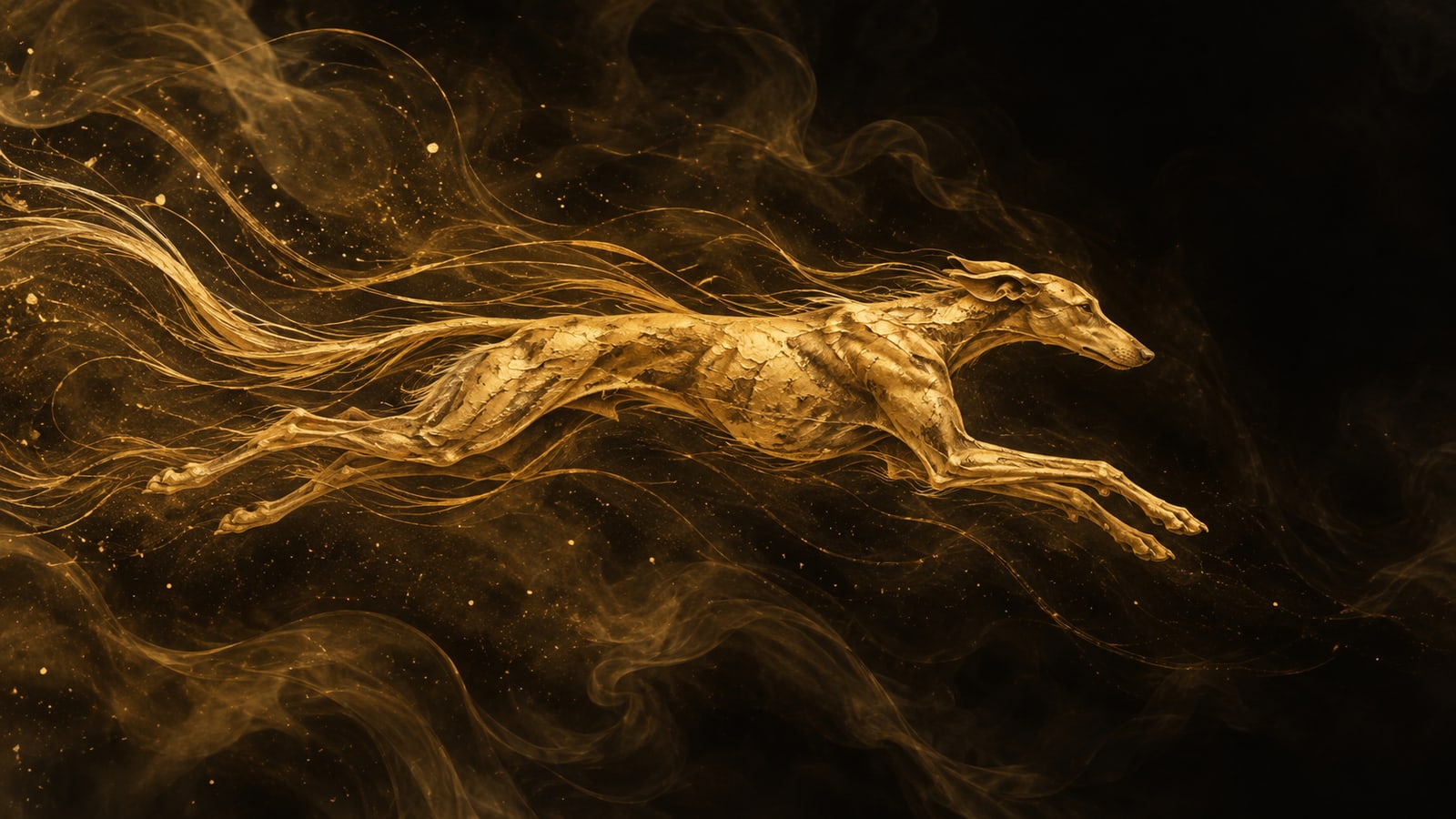 Featured
If you dreamed you were running on all fours and knew you were a particular animal, most often a wolf, sometimes a dog, a big cat or a horse, the animal usually adds something personal rather than a fixed code. Dream research suggests dreams draw on what matters to you while awake, so the first question is what that animal means to you: a pet, a creature you admire, a kind of speed or freedom you want. Traditions attach their own meanings to each species, and those readings belong to the people who hold them. No study has yet measured this exact dream on its own.
People who have this dream describe a handful of recurring shapes, and the animal you were tends to change the details: howling and following a scent as a wolf, a low prowl or an all-out sprint as a big cat, tracking horses through the woods. The psychological and traditional readings of each animal sit side by side, each labelled with who holds it.
Key Takeaways
Start with your animal
What the wolf, dog, cat or horse means to you in waking life is the first thread to follow.
Mostly exhilarating
People who share this dream most often describe feeling free, fast and alive rather than afraid.
The closest numbers
In the UK Library Study, animals appeared in 18.30% of dreams, with dogs, horses and cats most frequent.
Traditions have their own readings
Jungian writers, folklore, scripture and the dictionary attributed to Ibn Sirin each carry their own associations.
Recurring versions
People who have this dream again and again often connect it to a life change, such as moving house.
01What people describe when they have this dream
The reports people share publicly fall into a few recognisable shapes, and you may find your own dream among them.
The most common one starts with a human body. You are running, upright running feels slow or impossible, and you drop to all fours and suddenly move fast. One dreamer described entering a "wolf stance," clawing uphill through grass and going faster on hands and feet, then added, "I'm still human though." That post asked the question many people start with: why can't I run in my dreams unless I'm on all fours?
A second shape is a chase. Someone is after you, or you are after something, and you find yourself running "like a wild dog or a wolf." One dreamer in a chase dream who ran like a wolf called the feeling exhilarating and said it felt as if they belonged there, then wondered whether it meant they thought of themselves as an animal.
A third shape leaves the human body behind. You are simply the animal. People describe being a wolf pup running through a forest, or a wolf running through snow, or a wolf crossing a soccer field, jumping fences, panting and tasting the air. In one of those accounts, the dreamer had kept dreaming about being a wolf and running about eight or nine times in a single month.
A fourth shape sits in between. The body stays human, but the thoughts and emotions feel like an animal's. One person described running on all fours beside horses with wind on their face and endless stamina, and afterwards wondered whether the animal they had been was a wolf, coyote, bobcat, panther or cheetah. That account is in a dream shifting experience shared on r/Therian.
And a smaller group of dreams involve trying to change and not quite managing it. One dreamer described being on all fours, feeling an urge to howl, sniffing at what might have been a golden retriever, and trying to shapeshift into a wolf without success.
These are individual accounts. They show what the experience is like for the people who had it; they cannot show that the dream has one cause or one meaning.
02How it usually feels
If you woke up feeling wonderful, you are in good company. The shared reports lean strongly toward exhilaration rather than fear. People write that they "felt soo alive," that it was "absolutely thrilling," that it "felt natural," that they "loved sprinting," and that it was "absolutely beautiful." One described waking up feeling great, and another described wanting to go back to sleep to feel that rush again.
Not every version is pleasant. When the dream involved being chased while running on all fours, people describe fear and urgency alongside the speed. When they tried to change into the animal and could not finish, some describe frustration. And the people who dropped to all fours because upright running would not work often mention feeling blocked first, before the relief of finally moving.
The feeling you woke with matters more than it might seem. A dream where you ran for the joy of it and a dream where you ran because something was behind you can use the same body and the same animal and still be about very different things.
03Why you might drop to all fours in the first place
Many people notice the switch itself before they notice the animal. Upright running in dreams often feels heavy, slow or stuck, and going on all fours is what finally works.
There is a physical side to this that sleep research helps with. During REM sleep, the stage most associated with vivid and emotionally loaded dreams, motor and premotor areas of the brain can be active even though the body's skeletal muscles are normally switched off. A review by Scarpelli and colleagues on the functional role of dreaming in emotional processes describes this combination: movement areas working while the muscles stay still. That review does not address all-fours running or animal dreams at all, so it cannot say why your dream chose this particular way of moving. It does describe the setting your dream took place in, a brain busy with movement and emotion while the body lies quiet.
Some dreamers link the switch to waking feelings instead: being late, being chased, feeling held back. Those are their own readings of their own dreams, and they may fit yours or they may not.
04What the research can and cannot tell you
Nobody has yet counted how often people dream of being a wolf, dog, cat, horse or any other animal while running on all fours, so nobody can tell you which animal turns up most often in this kind of dream.
The closest measured data comes from a broader question: how often do animals appear in dreams at all? Michael Schredl and Mark Blagrove's UK Library Study of animals in dreams, published in 2021, gathered responses from 4,849 people aged 6 to 90 and analysed 2,716 of their most recent dreams. Animals appeared in 18.30% of those dreams. Dogs, horses and cats were the most frequent. About 20% of the dream animals were the dreamers' own pets, and about 30% had bizarre features, including turning into humans or other animals. Children reported more animal dreams than adolescents and adults.
Hover or tap a row to highlight it.
| Measure | Result |
|---|---|
| People who took part | 4,849, aged 6 to 90 |
| Most recent dreams analysed | 2,716 |
| Dreams with an animal in them | 18.30% |
| Most frequent dream animals | Dogs, horses and cats |
| Dream animals that were the dreamer's own pet | About 20% |
| Dream animals with bizarre features, including changing form | About 30% |
That study counted animals appearing in dreams, not dreamers becoming animals, and it did not separate out running on all fours. It is tempting to read "dogs, horses and cats were most common" as a ranking for your kind of dream, but the numbers do not stretch that far.
A second strand of research gives you a way to think about your own dream. The continuity hypothesis holds that dreams tend to reflect waking concerns, activities, relationships and emotions. A 2016 text-analysis paper by Hendrickx and colleagues notes that roughly 75% to 80% of dream content in earlier research relates to everyday settings, characters and activities, and their own analysis of 6,998 dream descriptions found the same pattern. Schredl and Blagrove concluded that their animal findings supported continuity while also pointing to metaphor and dramatised emotion, and they called for more research on pets, animal media and waking experiences with animals.
Applied carefully, that suggests looking at your waking life for threads: your relationship with the animal, films or books you have been into, how much you have been moving your body, questions about who you are, a feeling of being hemmed in, or a recent change. No study has tested this directly for running on all fours as a named animal, so it is a sensible place to look rather than a proven answer.
The older Typical Dreams Questionnaire study by Nielsen and colleagues, which surveyed 1,348 Canadian university students on 56 common dream themes, includes animal-related themes in its list. The published paper does not show a separate item for becoming an animal or running on all fours, so it cannot fill the gap either.
05What being a wolf adds
Wolves are the animal people name most in the shared reports, and the wolf dreams come with their own details: howling, following a scent or tracks, running through forest or snow, hunting, moving with a pack or alone, and feeling powerful and free.
In Jungian and archetypal readings, a wolf can stand for instinct, wildness, belonging to a group, danger, or the untamed part of the personality. Jung's Symbols of Transformation uses animal images to talk about instinct and psychic energy. These are theoretical readings from that school of thought, not findings about any particular dream.
In folklore, wolves carry wilderness, threat, loyalty to a group, and the boundary between human and animal. Werewolf and shapeshifting stories supply the image of a person turning into a wolf, which is part of why the wolf feels so natural in this dream for so many people.
Popular dream sites often say a wolf means independence, leadership, loyalty or hidden aggression, and some read a wolf dream as an omen of betrayal. Those claims circulate without an identifiable research or primary source behind them.
The personal question is usually the most useful one. Did the wolf feel alone or part of a pack? Were you hunting, fleeing, or simply running? Is there a wolf in something you have been reading or watching? A wolf who runs alone through snow and a wolf running with a pack are telling slightly different stories.
06What being a dog adds
Dog dreams depend heavily on what kind of dog, and what dogs mean to you. A family pet, a working dog, a stray and a dog you are afraid of all bring different associations.
Dogs were among the most frequent animals in the UK Library Study, and about a fifth of dream animals in that study were the dreamer's own pets. The study did not look at dreamers becoming dogs. Still, if you have a dog, or grew up with one, the dream may be borrowing from how that animal moves and how it seemed to feel: the sheer joy of a dog let off the lead, for instance.
Analysts and popular traditions often link dogs with attachment, loyalty, protection, belonging, obedience or dependence, and some folk readings treat a dog dream as an omen of a faithful person arriving. These are interpretive associations. Someone who has been frightened by dogs may reasonably find a very different meaning in the same image.
Some dreamers are not sure whether they were a dog or a wolf. The dream that included sniffing a golden retriever and trying to become a wolf sits right on that line. If your dream was vaguely canine, it may help to ask which felt closer: something tame and bonded, or something wild.
07What being a big cat adds
Big-cat readings are mostly built from what the species is like in waking life rather than from dream evidence. In symbolic and folk readings, a lion is often linked with dominance, authority and status within a group; a tiger with power, danger, solitude or controlled aggression; a panther with stealth and hidden strength; a cheetah with speed and pursuit. Cats more generally are associated in folklore with independence, and in some older stories with witchcraft.
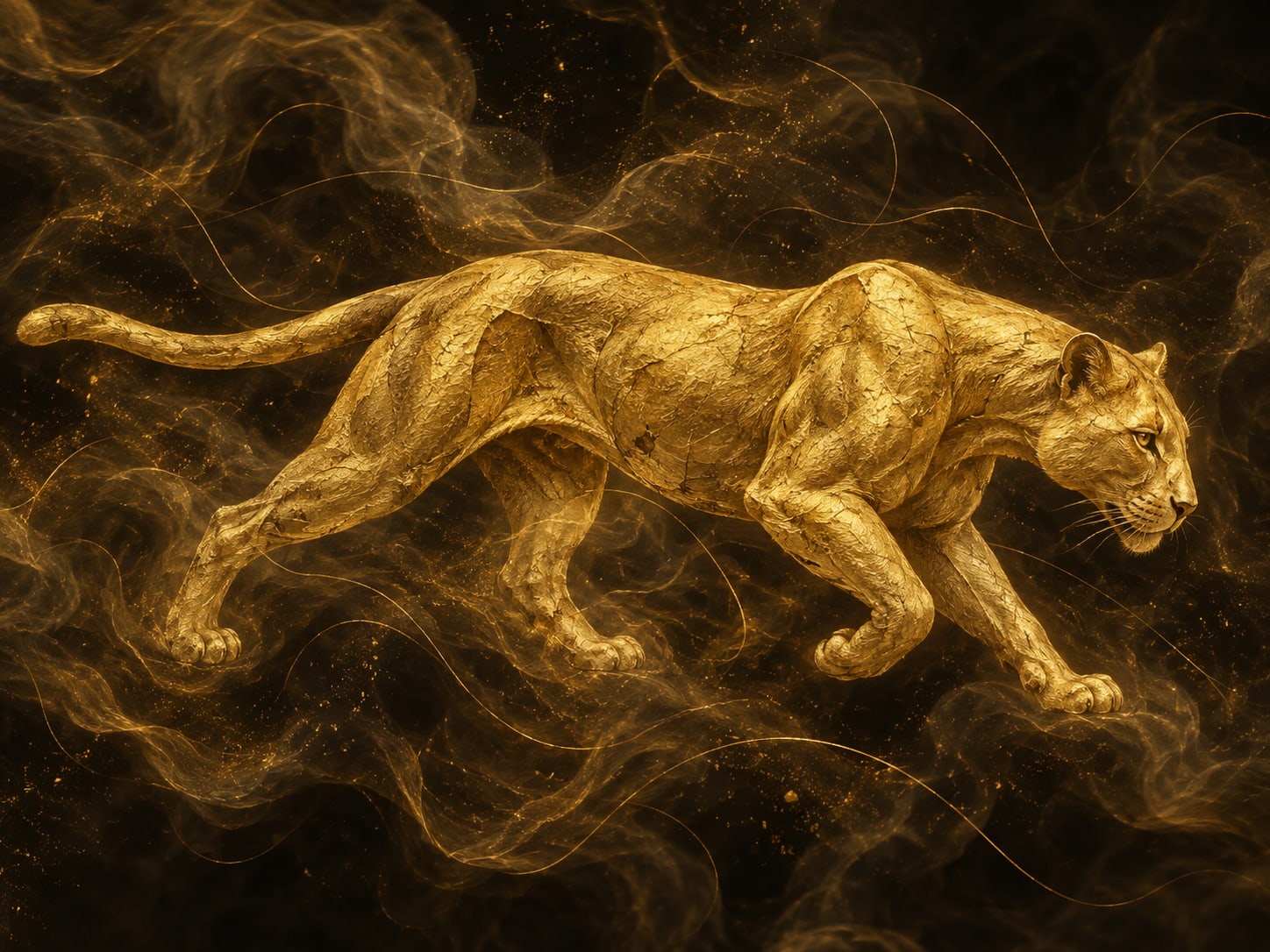
These are not tested decoding rules. The UK Library Study counted cats among the most common dream animals but did not distinguish house cats from big cats, and did not look at becoming one.
If your dream was feline, the way you moved may say more than the species name. Stalking low and quiet is a different experience from an all-out sprint, and the one you had is the better guide to what the dream was working with.
08What being a horse adds
Horses appear often in dreams generally; they were among the three most frequent animals in the UK Library Study. In cultural and analytical traditions they tend to carry movement, power, travel, bodily energy, work, status and freedom. Jung also uses the horse among the animal images he discusses in terms of instinct and energy.
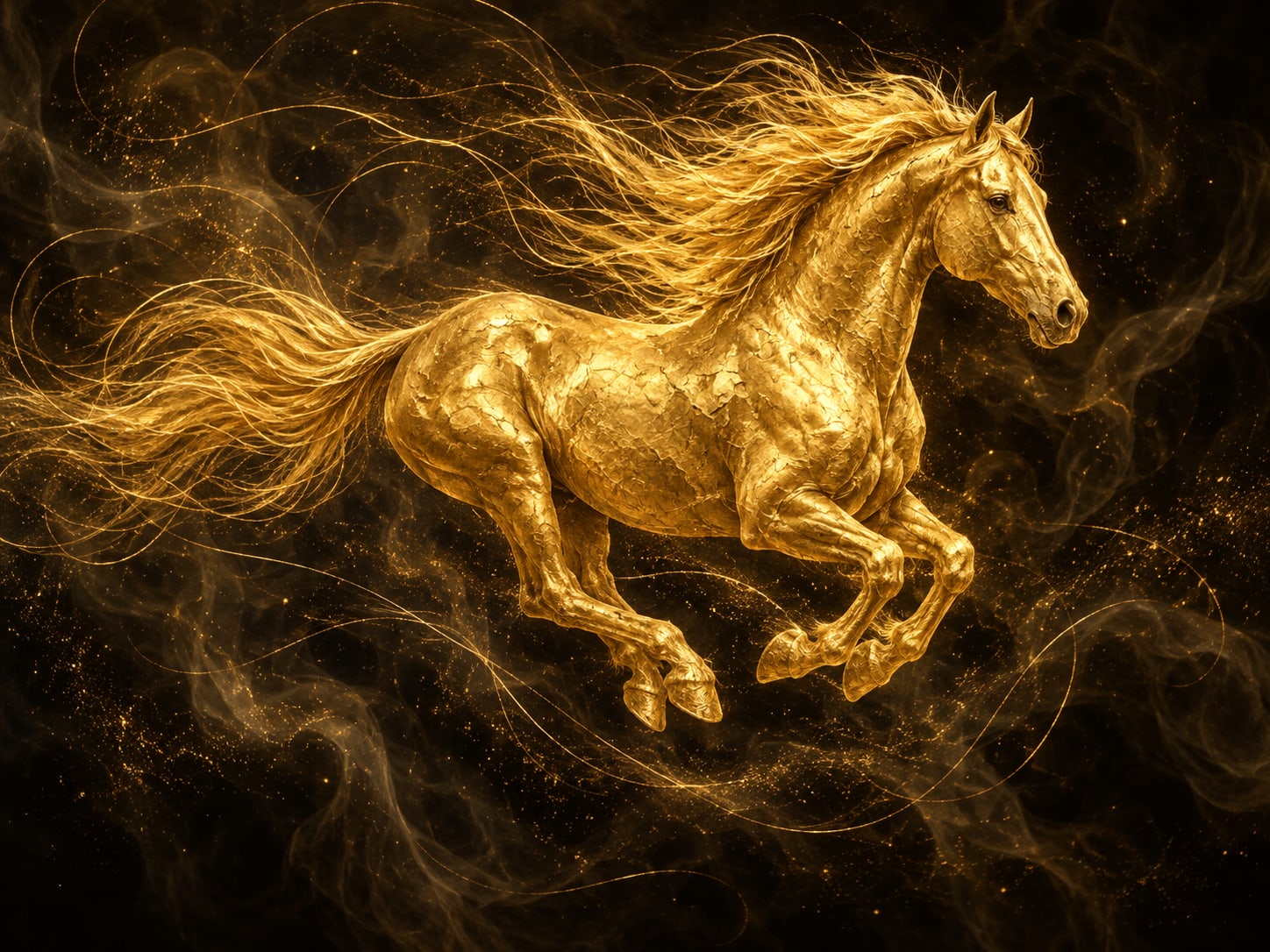
The horse also turns up in these dreams in a different way. In the r/Therian account described earlier, the dreamer ran on all fours beside horses, tracking them through the woods, and called it beautiful and freeing. Afterwards, though, they felt their own animal identity was probably canine or feline, not a horse. That matters here: the animal in the scene and the animal you felt yourself to be can be two different things. It is worth separating them when you think back on your own dream.
09When you change back, or cannot finish changing
Some dreams end with you back in human form, and some never let you finish the change in the first place.
A return to human form can be read symbolically as coming back together, losing a freedom you had a moment ago, fitting back into ordinary life, or moving between instinct and reflection. Those readings come from symbolic and personal-association approaches, and no research establishes that changing back means any one of them. Some popular readings treat changing back as suppressing your true self; that claim also has no identifiable source.
The Bible has one well-known story of a person losing and regaining a human mind. In Daniel 4, Nebuchadnezzar is told his human mind will be replaced with "the mind of an animal," he lives among the animals and eats grass like cattle, and his reason and position are restored after he acknowledges God's sovereignty. Within the text, that story is about a king being humbled. It is not presented as a rule for reading a modern dream, though some Christian writers may apply it that way.
An attempted change that stalls, like the dreamer who tried to become a wolf and could not, often comes with frustration. If that was your version, the frustration itself may be the more telling part: where in waking life do you feel close to something and unable to get all the way there?
10Why the dream felt so free
Positive feelings change what is worth asking about. If you felt free, fast, powerful and comfortable in the animal's body, you might ask where in waking life you feel the opposite, or where you have recently gained room to move. Release from constraint, confidence in your body, play, independence, and a sense of identity you value are all threads worth following.
The continuity hypothesis makes those questions reasonable. It does not prove that your dream means freedom. REM research supports the idea that emotionally intense dreams involve the brain's emotion systems, and it does not identify freedom as the cause of running as an animal either. What the research does support is taking your own feeling seriously as a clue.
11Why the same animal keeps coming back
Several people describe the same animal returning across weeks or months. The wolf dreamer who had eight or nine dreams in a month connected them to moving house, living more independently, a school break and changes at work. That is their own reading, and nobody has measured whether life changes make this particular dream more likely. It is a common thread among people who share recurring versions, though, and it fits the broader continuity idea that dreams return to what is on your mind.
If yours keeps coming back, a simple dream journal can help you see the pattern for yourself. Note the date, the animal, where you ran, whether anything was chasing you, and how you felt on waking, and then look at what was going on in your life that week. Over a few weeks, links tend to show up or fail to.
12Is it a dream shift, or something from a past life?
Some people wake from this dream wondering whether it means something beyond psychology. Two questions come up often.
The first comes from the therian community. Therians are people who identify as, or feel themselves to be, a nonhuman animal in some part of who they are; the species they identify with is called their theriotype. Within the community, a "dream shift" is a dream in which a person experiences themselves as their theriotype or as another animal. Members describe running on all fours with animal thoughts and emotions, urges to hunt, run or howl, and a strong sense of freedom or belonging to a forest. One member wondered whether dreaming as a wolf pup running through a forest was a dream shift. In a community discussion of whether all therians have dreams as their theriotype, members talk about how these dreams fit into their experience. People in the community also say that a single animal-form dream does not by itself make someone a therian, and they distinguish dream experiences from any physical change: in a dream you may be the animal, while your waking body stays human. If this dream stirred questions about your own identity, the community's own descriptions are the best place to hear how its members understand it.
The second question is about past lives. Some people read dreams of being an animal as a memory of having been one before. Buddhist and Hindu traditions include stories of rebirth as animals, but those are teachings and narratives, not a guide to reading a private dream, and no known source ties this specific dream to a past life. It remains a belief some people hold, and it is yours to weigh.
13What the older dream traditions say
Freud did not offer a meaning for running on all fours as an animal. In The Interpretation of Dreams, he argued that a dream should be read through the dreamer's own associations, and he was critical of fixed symbol decoding. His approach points back to you: what comes to mind when you think of the wolf?
Jung and later archetypal writers gave animals a larger symbolic role. In Man and His Symbols, Jung and his collaborators connect animal imagery with instinctive nature and the relationship between the self and the natural world. Later analysts, including James Hillman and Barbara Hannah, discuss dream animals as expressions of instinct, bodily life and each species' own qualities. These remain interpretive readings that depend on the dreamer's associations.
In Christian tradition, the Bible contains animal dreams, like Daniel's vision of four beasts in Daniel 7, which the text presents as kingdoms, and the Daniel 4 account of Nebuchadnezzar living as an animal. Some Christian writers may apply Daniel 4 to modern animal dreams as a call to humility. The Bible gives no reading specific to becoming a wolf, dog, cat or horse.
In Islamic dream interpretation, a later dream dictionary attributed to Ibn Sirin includes entries on animals and on changing form. Its link to Ibn Sirin himself is not securely established, and it has no confirmed entry for running on all fours as a named animal.
In wider folklore, wolves are linked with danger, wilderness and the human and animal boundary, dogs with guardianship and loyalty, cats with independence or witchcraft, and horses with travel, power and status. No documented folklore source records a specific omen for this exact dream. Where people read it as an omen of change or danger, that is a belief they hold, not something the dream can be shown to predict.
14When it might be worth mentioning to someone
An enjoyable animal dream, even a recurring one, is not a sign that anything is wrong. The American Academy of Sleep Medicine's position paper on treating nightmare disorder in adults is about distressing dreams, and it makes clear that the question is distress and impairment, not the content.
It is worth mentioning a recurring dream to a doctor or therapist if it frightens you, repeatedly disrupts your sleep, makes you afraid to go to sleep, leaves you struggling during the day, or comes alongside other sleep or mental health concerns. That paper recommends imagery rehearsal therapy for nightmare disorder, a method in which you change the story of the nightmare and rehearse the new version while awake.
15Common questions about running on all fours as an animal in a dream
What does running on all fours in a dream mean?
People most often describe it as the moment upright running stops working and dropping to all fours finally lets them move fast. Many wake feeling free and exhilarated rather than afraid. What it means for you usually depends on the animal you were and on what is going on in your waking life.
Is it common to dream of running on all fours as an animal?
Nobody has measured it directly. The nearest figure is that animals appear in about 18% of dreams, from the UK Library Study, and about 30% of those dream animals had bizarre features, including turning into other forms. Plenty of people share this specific dream online, which suggests you are far from alone.
Does it matter which animal I was?
It can, mostly through what that animal means to you. A wolf, a family dog, a cheetah and a horse bring different associations, and traditions attach their own meanings to each. Research has not shown any species carries a fixed meaning.
Why do I keep having this dream?
Recurring versions often come up around life changes in people's own accounts, such as moving house or gaining independence, though no study has confirmed that link for this dream. Keeping a short dream journal can help you see whether it returns around particular events or feelings for you.
Does this dream mean I am a therian?
The therian community itself says that one animal-form dream does not by itself make someone a therian. Members describe identity as something wider than a single dream. If the question matters to you, the community's own discussions are the place to hear how people there understand it.
Should I worry if the dream felt wonderful?
No. Feeling free, fast and alive is the most common reaction people describe. Clinical concern is about dreams that cause distress, disturb sleep or affect your day, not about the animal or the joy you felt.
Running as an animal: a quick check
Which animals were most frequent in dreams in the UK Library Study?
What do most people who share this dream say they felt?
In the therian community, what is a "dream shift"?
Pick an answer to begin.
16Putting your dream in place
Your dream probably sits somewhere in the patterns above: a human body that drops to all fours to move, a chase, a full change into a wolf or another animal, or a change that would not finish. The research that exists supports looking at your own waking life and your own feelings about the animal. The traditions offer their readings of wolf, dog, cat and horse, each belonging to the people who hold them. Which animal appears most, why the switch to all fours happens, and whether the dream carries any fixed meaning are still open questions. What you felt, and what that animal means to you, are the parts only you can answer. If other images from the dream stayed with you, the dream dictionary at DreamTold has pages on individual symbols. This page is for reflection and is not a diagnosis; if a recurring dream frightens you or keeps disturbing your sleep, a doctor or therapist is the right person to talk to.
Dream terms
Tap a term to see what it means.
Continuity hypothesis. The view that dream content reflects waking-life concerns, experiences, relationships, activities and emotions.
REM sleep. A sleep stage with rapid eye movements, relaxed muscles, vivid dreaming and activity in the brain's emotion regions.
Therian. A person who identifies as, or feels themselves to be, a nonhuman animal.
Theriotype. The animal species a therian identifies with.
Dream shift. A community term for experiencing yourself as your theriotype or another animal in a dream.
17Sources
Every claim on this page that comes from somewhere else, with the somewhere else. Scripture and hadith are linked so you can read them in context rather than trusting a paraphrase.
- arxiv.org: Hendrickx and colleagues
- BibleGateway: Daniel 4
- BibleGateway: Daniel 7
- books.google.co.uk: Man and His Symbols
- dreamscience.ca: Typical Dreams Questionnaire study by Nielsen and colleagues
- Ibn Sirin dictionary (PDF): dream dictionary attributed to Ibn Sirin
- journals.sagepub.com: UK Library Study of animals in dreams
- Project Gutenberg: The Interpretation of Dreams
- PubMed: position paper on treating nightmare disorder in adults
- PubMed Central: Scarpelli and colleagues on the functional role of dreaming in emotional processes
- reddit.com: chase dream who ran like a wolf
- reddit.com: discussion of whether all therians have dreams as their theriotype
- reddit.com: dream shifting experience shared on r/Therian
- reddit.com: kept dreaming about being a wolf and running
- reddit.com: trying to shapeshift into a wolf without success
- reddit.com: why can't I run in my dreams unless I'm on all fours
- reddit.com: wolf pup running through a forest
Related
articles.
Wolf Dream Meaning
A wolf dream meaning depends on what the wolf was doing: chasing, guarding a pack, calm, or attacking. See what psychology and tradition each say about it.
Read: Wolf Dream Meaning
Being Chased While Running on All Fours in a Dream
Dreamed of dropping to all fours while being chased? See what running on all fours in a dream can mean, and why the chase and the posture are two threads.
Read: Being Chased While Running on All Fours in a Dream
Lion Dream Meaning: Power, Courage, and What You Are Facing
A lion in a dream points to power. The useful question is whose: a force bearing down on you, or your own strength. Scenes, scripture, and honest limits.
Read: Lion Dream Meaning