

Alligator Dream Meaning: Hidden Danger Beneath the Surface
What an alligator or crocodile dream usually points to: a danger you sense but cannot name, criticism that bites, concealed intentions, and thick skin.
 Featured
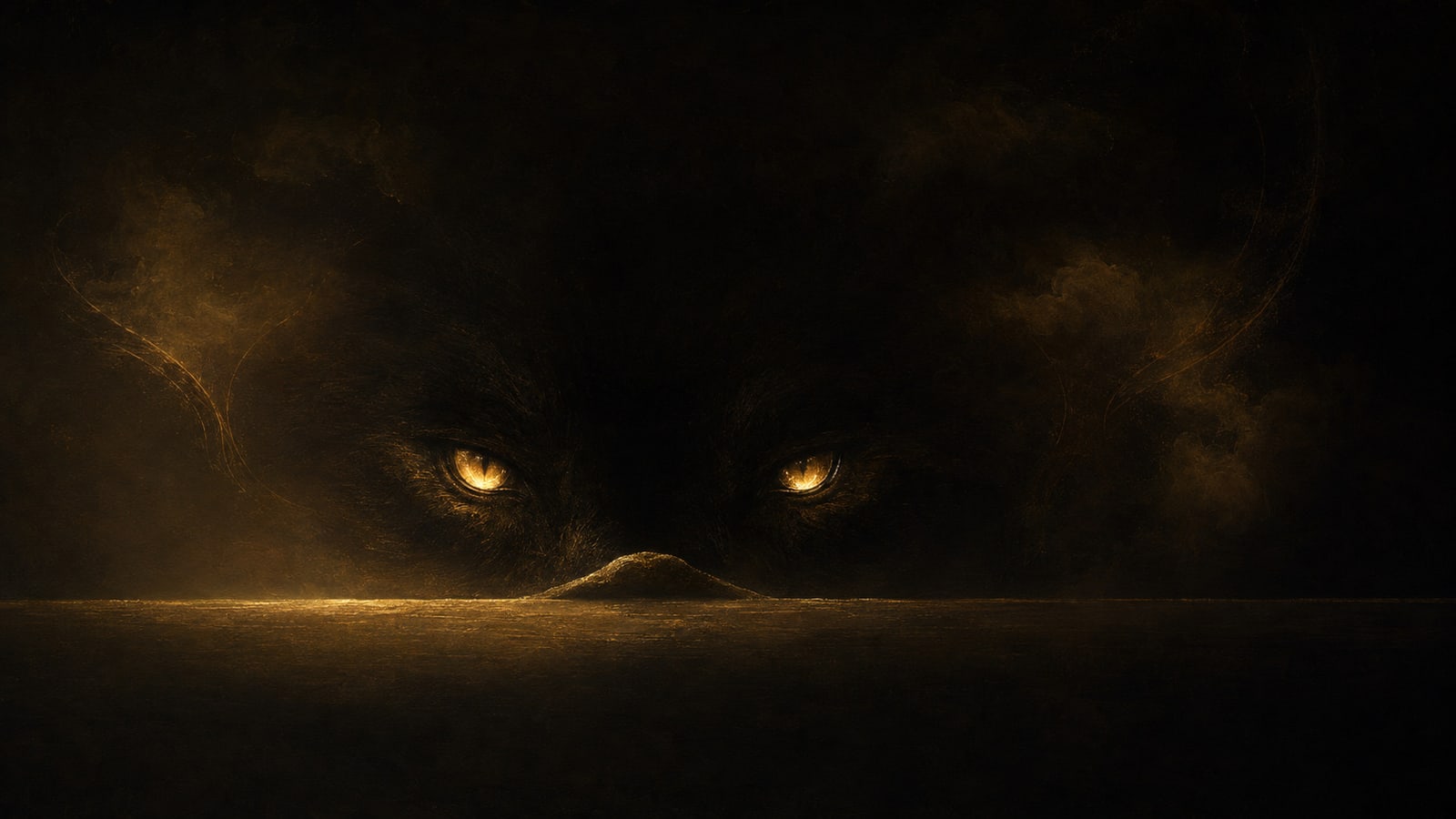
An alligator in a dream almost always points to something dangerous that is present but not visible: a worry you sense without being able to name it, criticism that bites, or a person whose real intentions sit under a calm surface. Crocodiles carry the same reading, and readers search both words for the same dream. The symbol works because of one specific picture, an animal lying submerged with only its eyes above the waterline, and nearly everything this dream does follows from that image rather than from a list of fixed meanings.
Key Takeaways
The image is the meaning
An alligator can be fully present while almost entirely hidden, which is why the dream reads as a threat you feel before you can see it.
Crocodiles count too
Alligator, crocodile, and caiman work as the same dream symbol, so the species you saw is rarely the useful detail.
Water is the hiding place
Water is a long-established dream image for feeling and the unconscious, so a submerged alligator suggests the danger sits in emotions rather than in circumstances.
Four common readings
An unnameable worry, criticism that bites, someone whose intentions are concealed, and thick skin as both armour and distance.
Faith readings are belief
Christian, Islamic, and ancient Egyptian traditions each say something about the crocodile, and none of them is evidence that a dream forecasts an event.
Nothing here predicts
No study shows that a dream image warns of an outside danger, and pages that tell you otherwise are stating a belief as a fact.
01The picture the whole symbol rests on
Start with the animal, because the animal explains the dream. An alligator's eyes, ears, and nostrils sit on the top of its head, so it can float with its whole body under the surface and still see, hear, and breathe. What shows above the waterline is two bumps and a nose. Everything else, the length, the weight, the jaws, is underwater and invisible. It glides forward with almost nothing showing, which is why it is such an effective ambush hunter: what it hunts does not know it is being hunted.
That is an unusual shape for a threat, and the sleeping mind seems to know it. Most frightening dream figures announce themselves. They chase, they loom, they shout. An alligator does the opposite: patient, close, and almost entirely concealed in a setting that looks perfectly calm. The feeling you wake with is usually not terror but unease, the sense that something is wrong in a scene that looks fine. That mismatch is the symbol doing its work.
02Alligator or crocodile makes almost no difference
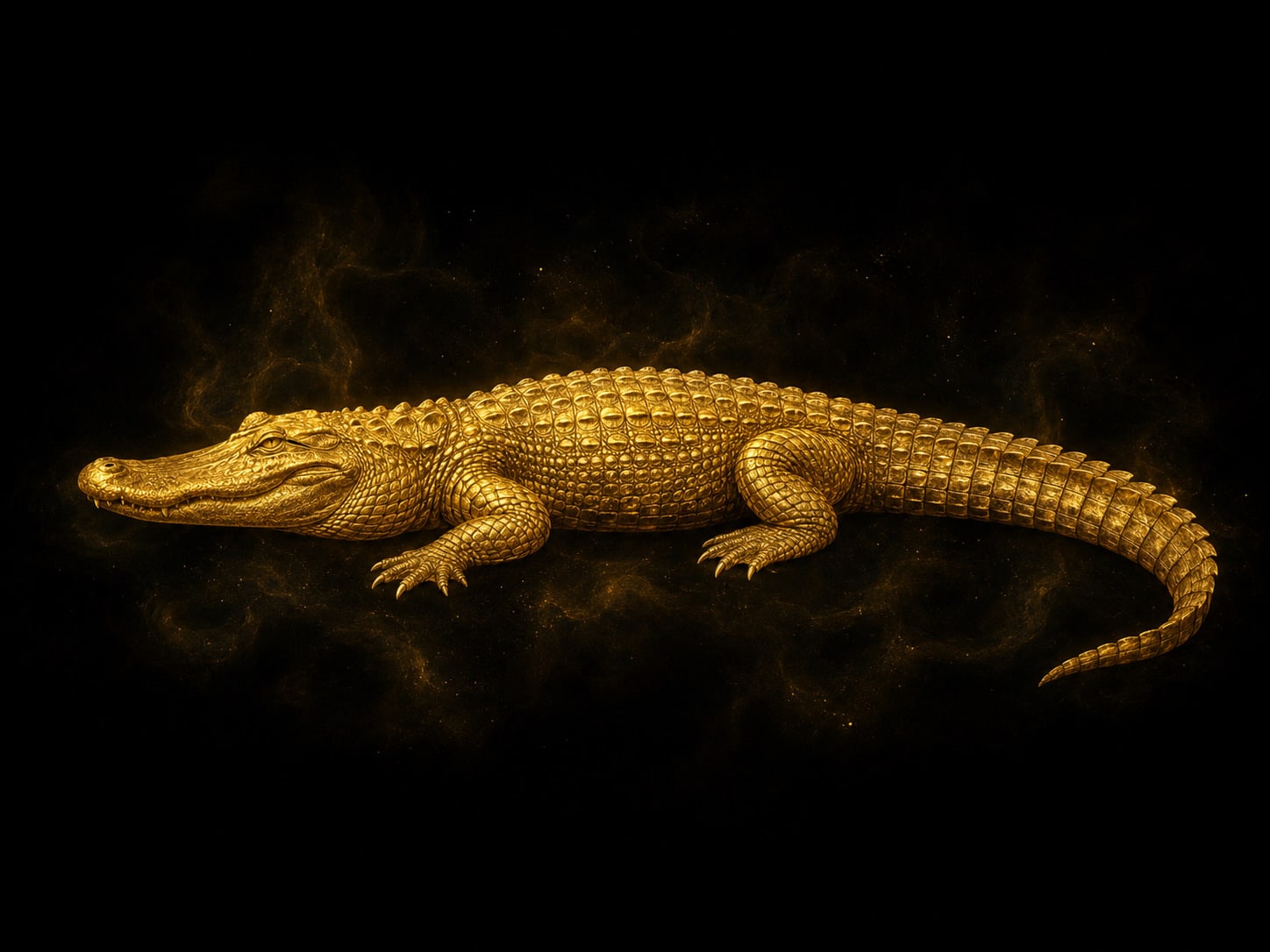
The two animals are genuinely different. Alligators have a broad, U-shaped snout, favor fresh water, and are the darkest of all living crocodilians. Crocodiles have a narrower, V-shaped snout, show the fourth lower tooth when the jaw is closed, and prefer brackish and salt water. Caimans are a third relative again.
None of that changes the dream. Each is the same idea wearing a slightly different face: an armoured ambush hunter that waits underwater. If you woke unsure which you saw, that is not a gap in your recall, it is a sign your mind was using the shape rather than the species. This page treats "alligator dream" and "crocodile dream" as one question.
03Water is the layer the danger is hiding in
Water has stood for feeling and for the parts of the mind we cannot reach directly for a very long time, across both psychoanalytic writing and folk interpretation. Our guide to what water in dreams means covers that ground properly, so the point to carry here is narrow: if water stands for your emotional life, an alligator hidden in water pictures something dangerous concealed inside feelings rather than inside events.
That distinction matters. A dream about a car crash points outward, at circumstances. An alligator in a lake points inward, at a mood you have not looked at directly. So it is worth asking what the water was like as well as what the alligator did, because still, opaque water reads differently from a clear pool where the whole animal is visible.
04The four readings this dream usually carries
Four grounded readings come up again and again, and they overlap more than they compete. The dream dictionary entry for alligators carries the same four in condensed form if you want the quick reference.
A danger you sense but cannot name. This is the core one. Something in waking life is registering as a threat below the level of words: a workplace gone quiet in a way you do not like, a relationship where the temperature has changed, a decision you keep circling. You have no evidence, only a feeling, and the dream gives that feeling a body that is almost entirely underwater.
Criticism that bites. The jaws are the other half of the animal, and the part that lands suddenly. Dreamers often connect an alligator to a person or setting where comments arrive without warning and hurt more than they should. The bite is quick and disproportionate, which is a fair description of how sharp criticism feels.
Someone whose intentions are concealed. Where the alligator is attached to a person, the reading is usually about mismatch: what they say and what you sense are not the same. This is where the symbol edges closest to fear and needs the most care. The dream tells you what you feel about someone. It is not evidence about what they have done, and treating it as evidence is how people damage relationships over a night's sleep.
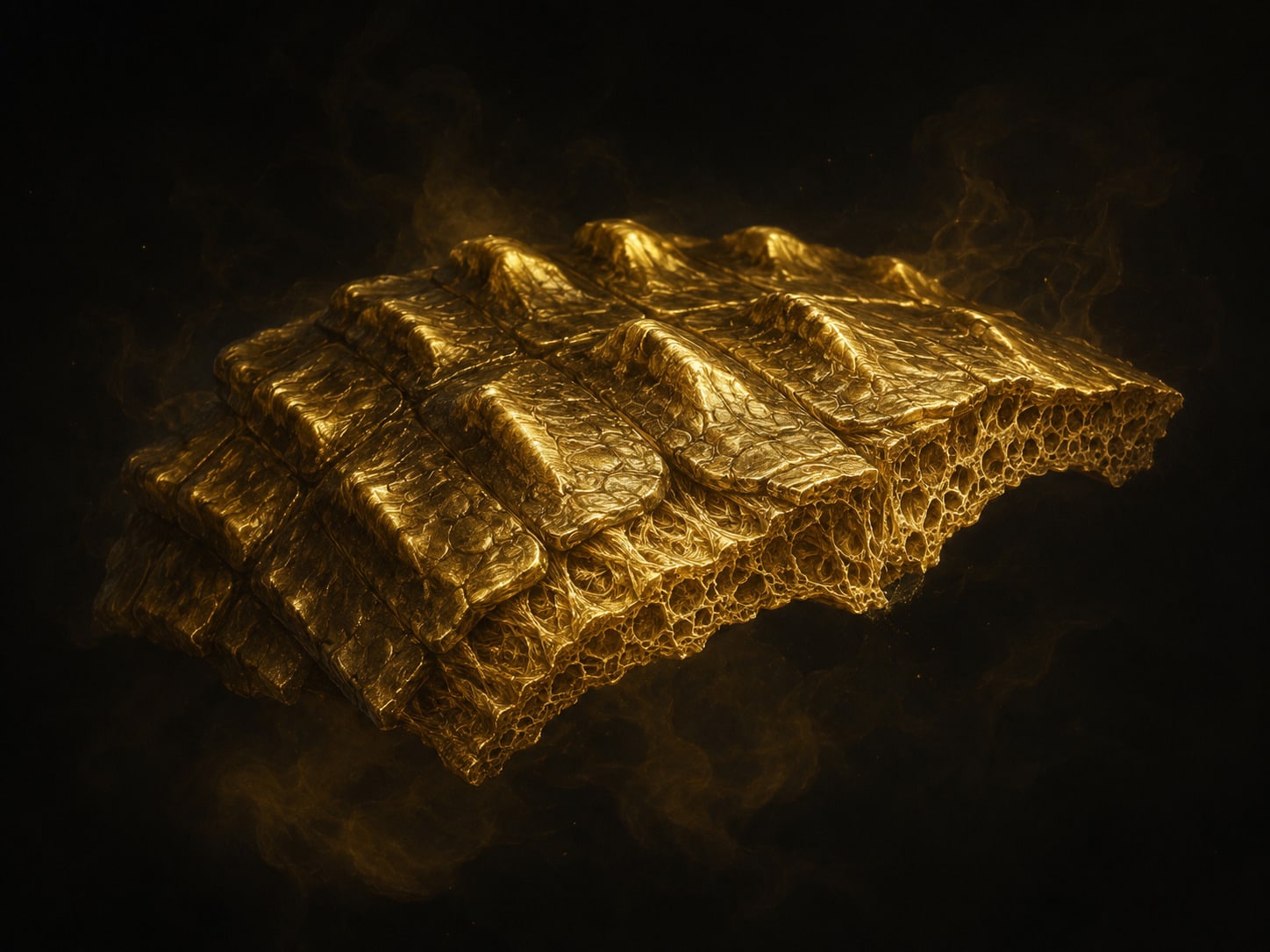
Thick skin, in both directions. Crocodilian armour is real and specific. Under the scales sit osteoderms, bony plates with a dense outer layer and a porous core, linked by collagen fibres so the shield protects without locking the animal rigid. That is a good image for protection that still allows movement, and equally good for its cost, because skin that thick keeps everything else out too. Dreamers sometimes recognize themselves in the alligator rather than in what it is stalking, and that version is worth sitting with.
05In the water or up on the bank
The most useful detail to recall is where the animal was. Submerged is the classic version and the one this page is built around, and dreamers usually report a hush around it rather than a chase.
On land is a different dream. Out of the water an alligator is fully visible and the ambush advantage is gone. The common reading when it comes up onto the bank is that whatever was hidden has stopped being hidden: something has surfaced, been said out loud, or become impossible to explain away. That can frighten you in the dream and still be the better position awake, because a problem you can see is one you can act on.
06Common alligator and crocodile dream scenes
An alligator in the house
A house in a dream usually stands for something private: your home, your family, your own head. An alligator in the kitchen or the hallway puts the hidden threat inside that space rather than out in a swamp. The common reading is that a pressure you had located outside has moved somewhere it should not reach. Note which room, because dreamers often find the room is the part of life they are worried about.
An alligator attacking or biting
An attack usually reads as something that has already happened rather than something coming. The criticism has landed, the argument has occurred, the trust has taken a knock. Where the bite is vivid, ask what in waking life arrived that fast and hurt that much. This is also the scene most loaded with fear-based interpretation online, so treat it carefully.
Being chased by an alligator
A chase is avoidance made visible. Something you would rather not face is behind you, and you are still running. Being chased is one of the most commonly reported dream themes of any kind, which makes it a poor candidate for a warning and a good one for a mirror, and our guide to being chased in a dream unpacks the pattern. Notice too that a chasing alligator has given up its main advantage. It is no longer hidden.
Killing an alligator
Dreamers usually describe this one as relief rather than triumph, and it tends to arrive after the waking situation has shifted: a conversation finally had, a job left, a boundary set. The same scene carries a specific meaning in the Ibn Sirin dream-interpretation tradition, where killing the animal is read as overcoming an enemy or an injustice, held as belief rather than forecast.
A baby alligator
Small versions of frightening animals read one of two ways, and the dream's mood tells you which. Either the problem is small and you have caught it early, or it will not stay small if it is left alone. Dreamers who report a baby alligator tend to report curiosity rather than fear, which fits the first reading better.
A black alligator
Color carries less weight here than people expect, partly because adult alligators are naturally very dark. A black alligator is often just an alligator seen in low light, and the detail your mind kept was the darkness itself. Where the blackness feels deliberate and heavy, the reading stays inside the same theme: emphasis on what cannot be seen, not a separate meaning.
Hover or tap a row to highlight it.
| Scene | What it commonly points to | How firm the reading is |
|---|---|---|
| Submerged, only the eyes showing | A threat you sense but cannot yet name | The core image; common self-report, not a studied finding |
| Out of the water, on land | Something hidden has surfaced and can no longer be ignored | Common self-report |
| In the house | A pressure has reached a private space: home, family, or your own head | Common self-report |
| Attacking or biting | Criticism or conflict that has already landed | Common self-report |
| Being chased by one | Avoidance; something you keep outrunning rather than facing | Chase is among the most reported dream themes overall |
| Killing it | A sense of having faced or ended the thing | Common self-report; read as overcoming an enemy in the Ibn Sirin tradition |
| A baby alligator | A small problem noticed early, or something that could grow | Common self-report |
| A black alligator | Emphasis on what is hidden; adult alligators are naturally dark | Common self-report; color is rarely the key detail |
07What dream research can and cannot say here
There is no body of research on alligator dreams specifically, and any page implying otherwise is overstating its evidence. What exists is research on threat in dreams generally, which explains why an animal like this shows up at all.
The threat simulation theory, associated with the researcher Antti Revonsuo, proposes that dreaming evolved in part as a rehearsal space for danger. In one study of 592 home dream reports from 52 university students, Revonsuo and Valli found that 66.4 percent contained at least one threatening event, with aggression the most common kind. That is a small sample from one group of students, not a law of the mind, and the theory is still argued over. Being chased or pursued also turns up as one of the most reported themes in surveys of typical dreams, with a widely cited figure putting lifetime prevalence at around 81.5 percent.
What that supports is modest: threatening content is normal in dreams, and predators are among the oldest things humans have had to watch for. It does not support the idea that a particular animal on a particular night is telling you about the future, and our piece on whether dreams are prophetic sets out where that line sits.
08Spiritual, biblical, and Islamic readings
These traditions are worth knowing on their own terms. None is evidence that a dream forecasts an event, and each appears here as what people hold rather than as fact.
Christian tradition. Scripture assigns no dream meaning to an alligator or a crocodile. What it contains are large water creatures later readers connected to one. Job 41 describes Leviathan, an armoured creature no one can subdue, and the crocodile has been a leading candidate for that passage since at least the sixteenth century, partly because of the emphasis on impenetrable skin. Psalm 74:13 to 14 and Isaiah 27:1 use Leviathan as an image of chaos overcome. Ezekiel 29:3 addresses Pharaoh as the great monster lying in the middle of his rivers, long read as Egypt personified by the Nile crocodile. Each belongs to its own argument about power and pride, not to a rulebook for modern dreams, as our overview of biblical dream symbols from A to Z sets out.
Some ministry blogs and video channels tell readers the dream means a curse, an attack, or a coming loss, stated as fact. That is a fear reading carrying more certainty than its sources do, and a frightened reader deserves to know it is a claim, not a finding.
Islamic tradition. The Quran provides no symbol dictionary and assigns no meaning to a crocodile. It does treat some dreams as significant within specific narratives, most famously in Surah Yusuf, where a ruler describes dreaming of "seven fat cows eaten up by seven skinny ones; and seven green ears of grain and seven others dry" at Yusuf 12:43. The crocodile readings people find online come instead from the later interpretive tradition attributed to the eighth-century scholar Muhammad Ibn Sirin, circulated in dictionaries compiled long after his lifetime. That tradition reads the crocodile as a person no one can trust, friend or foe, and elsewhere as a crafty thief, landing strikingly close to the hidden-intentions reading above from a completely different direction. It is still tradition rather than scripture, a distinction our guide to what Islam says about dreams draws out.
Ancient Egypt. The crocodile was not only feared there. Sobek, a crocodile god of strength and power, was held as a patron of the army and a protector of the pharaoh, with a well-known cult center at the double temple of Kom Ombo. That is history rather than a dream code, and a useful correction to the idea that this animal has always meant only menace.
Modern spiritual writers often read the alligator as a prompt about protection, patience, or a transition being made. Those are symbolic beliefs and reflection tools, not evidence that something will happen or that anyone is spiritually endangered. If the omen framing brought you here, our piece on dream omens and warnings explains where those claims come from.
09If the dream keeps returning or leaves you frightened
A repeating alligator dream usually means the situation underneath it has not changed, not that the message is getting louder. The most useful response is unglamorous: write down what the water looked like, where the animal was, and what you felt, then look for the waking situation that matches the feeling. Dreamers often find the dream stops once the real thing is named, which is the opposite of what a warning would do.
If the dream is frightening enough to affect your sleep, or sits inside a wider pattern of bad nights, our guide to what nightmares are and what they mean is the better place to start. If distressing dreams persist or arrive alongside daytime anxiety, raise it with a qualified clinician rather than working it out alone.
10Common questions about alligator and crocodile dreams
What is the spiritual significance of an alligator in a dream?
Modern spiritual writing most often reads the alligator as a call to notice something concealed, and as a symbol of protection, patience, and self-preservation. Those are beliefs and reflection prompts rather than established findings, best used as questions to sit with rather than as a message about what happens next.
What is the biblical meaning of an alligator or crocodile in a dream?
Scripture does not assign a dream meaning to either animal. It does describe Leviathan in Job 41 as an armoured creature beyond human control, and Ezekiel 29:3 pictures Pharaoh as the great monster in the Nile, long connected by commentators to the crocodile. Those passages are about power and pride in their own settings. Christian readers may reflect on those themes; the text does not turn them into a code for modern dreams.
What does a crocodile symbolise?
Across most modern interpretation the crocodile symbolises hidden danger, patience, and a threat that is close but not visible, the same reading an alligator carries. The Ibn Sirin dream-interpretation tradition holds it to represent a person no one can trust, friend or enemy alike. In ancient Egypt the crocodile god Sobek stood for strength and protection, so the animal has not always been read as menace.
What does it mean to dream of an alligator attack?
An attack usually points to something that has already landed rather than something on its way: a sharp comment, a conflict, a piece of trust that took damage. The suddenness of the bite tends to be the meaningful part, because sudden is how that kind of hurt arrives. It is not evidence that anyone intends you harm.
Is an alligator dream a warning?
There is no evidence that a dream image forecasts an outside event, and plenty of pages will tell you otherwise with more confidence than the sources support. What this dream can reliably do is show you a feeling you have not looked at directly, which is worth acting on. Read it as a mirror of the present, not a message about the future.
Test your alligator dream knowledge
Why is the alligator such a strong image for hidden danger?
Does an alligator dream mean someone is about to betray you?
What does the Ibn Sirin dream-interpretation tradition hold about a crocodile?
Pick an answer to begin.
If an alligator surfaced in your sleep, the useful question is not which meaning to pick but where in your waking life something feels calm on top and unsettled underneath. DreamTold treats dreams as a window into your own mind rather than a forecast, so look the image up in the dream dictionary for the short version and take the long one as an invitation to notice what you already sense. This guide is educational and meant for reflection, not medical advice. If frightening dreams are costing you sleep or adding to distress in daily life, speak with a qualified clinician.
Dream terms
Tap a term to see what it means.
Ambush predator. An animal that hunts by staying hidden and waiting, rather than by pursuit, which is the behavior that gives the alligator its meaning as a dream symbol.
Osteoderm. A bony plate sitting under the scales of a crocodilian, linked to its neighbors by collagen fibres so the skin armours the animal without making it rigid.
Leviathan. The armoured water creature described in Job 41 and named in Psalm 74 and Isaiah 27, which readers since the sixteenth century have often identified with the crocodile.
Ibn Sirin tradition. A body of Islamic dream-interpretation lore attributed to the eighth-century scholar Muhammad Ibn Sirin and circulated in dictionaries compiled well after his lifetime, distinct from scripture.
Threat simulation theory. The proposal, associated with Antti Revonsuo, that dreaming evolved in part to rehearse danger and the responses to it in a safe setting.
11Sources
Every claim on this page that comes from somewhere else, with the somewhere else. Scripture and hadith are linked so you can read them in context rather than trusting a paraphrase.
- BibleGateway: Ezekiel 29:3
- BibleGateway: Isaiah 27:1
- BibleGateway: Job 41
- BibleGateway: Psalm 74:13
- Ibn Sirin dictionary (PDF): Ibn Sirin
Related
articles.
Lion Dream Meaning: Power, Courage, and What You Are Facing
A lion in a dream points to power. The useful question is whose: a force bearing down on you, or your own strength. Scenes, scripture, and honest limits.
Read: Lion Dream Meaning
Running on All Fours as an Animal in a Dream
Running on all fours as a wolf, dog, or big cat in a dream often brings a rush of freedom and speed. Here is what each animal identity can add to the meaning.
Read: Running on All Fours as an Animal in a Dream
Wolf Dream Meaning
A wolf dream meaning depends on what the wolf was doing: chasing, guarding a pack, calm, or attacking. See what psychology and tradition each say about it.
Read: Wolf Dream Meaning